Why UAE Investors Are Quietly Moving Money Into Bali

# Why UAE Investors Are Quietly Moving Money Into Bali
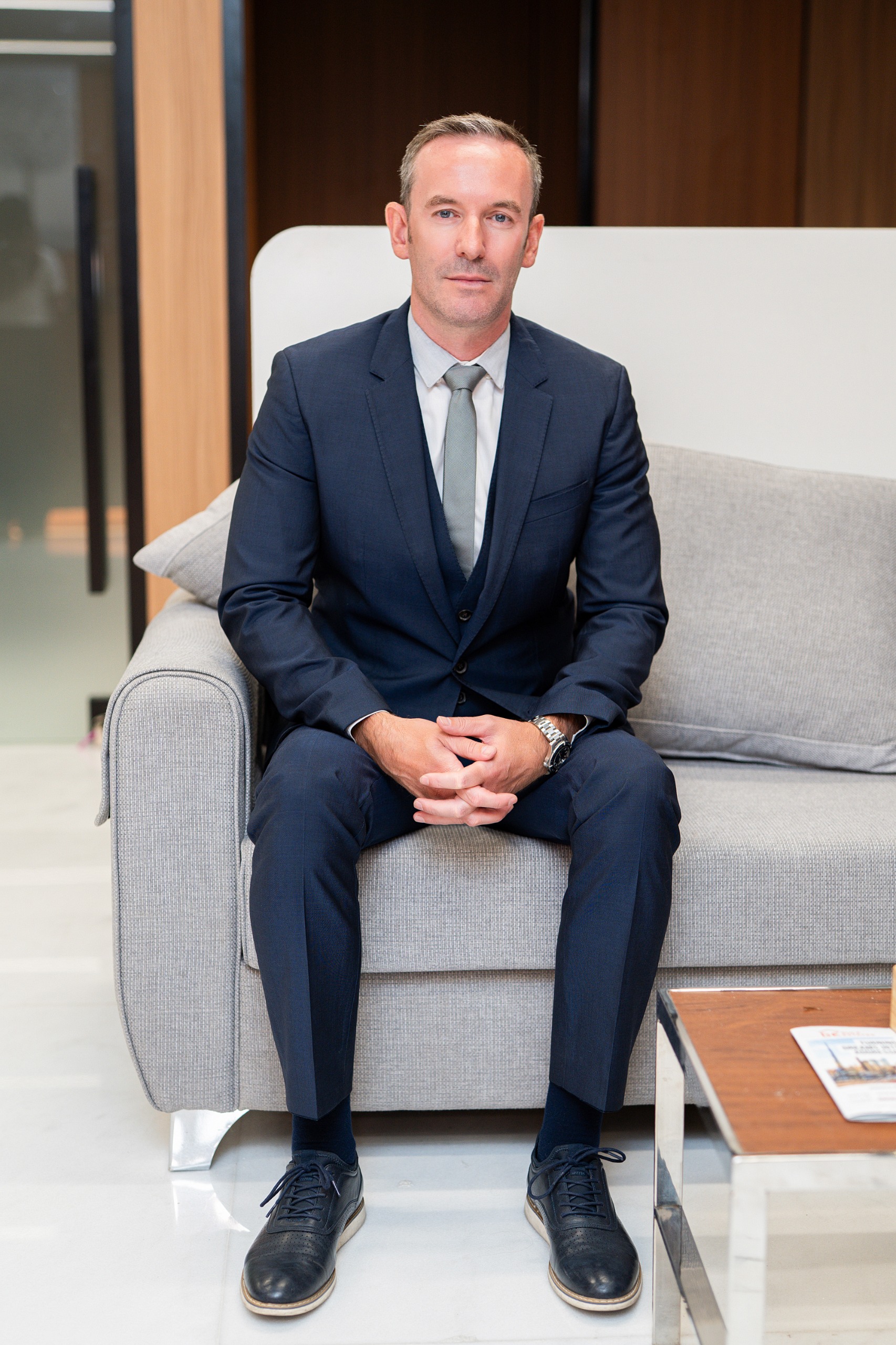
By James Reid | Regenesis Global
Let me be straight with you.
Investors across the UAE — Dubai, Abu Dhabi, Sharjah — have spent years pouring money into a single market. And it's worked. Dubai real estate has delivered. But something has shifted in the last 18 months, and the smartest money in the room has noticed.
This isn't panic. It's portfolio thinking.
The conversation used to be "why would I invest outside the UAE?" Now it's "why wouldn't I?"
Bali is the answer a lot of people are landing on. Here's why.
The Numbers First
Bali property prices have risen an average of 7% year-on-year, with the Canggu corridor leading all sales and accounting for 33.5% of total transactions on the island.
Professionally managed villas in prime locations like Canggu and Uluwatu are consistently hitting 70 to 85% occupancy. Top-tier assets with the right operator behind them regularly exceed that.
Rental yields for well-positioned properties sit at 8 to 12% annually. Not projected. Not marketing copy. Actual returns on managed assets.
For context, that is in USD. Which matters a great deal to investors in a dirham-denominated market looking to spread their currency exposure.
What's Driving This
Tourism That Doesn't Stop
Bali welcomed 16.4 million visitors in 2024, including 6.33 million international arrivals, slightly above the pre-pandemic peak of 2019. In the first five months of 2025 alone, international arrivals were up 9% on the same period the year before.
This isn't a post-COVID bounce. This is structural, compounding demand.
The island draws from Australia, Singapore, the UK, Europe, the Middle East and increasingly from China as outbound travel recovers. The source markets are diversified. That's what you want underpinning a rental income asset.
Infrastructure That Changes Everything
Three things are happening in Bali right now that most investors haven't fully priced in yet.
The MRT Line. Bali's first mass rapid transit line is under development, a project that will fundamentally shift how the island moves and which areas become more accessible. Every city that has built an MRT has seen property values rise along the corridor. Bali will be no different.
The North Bali International Airport. President Prabowo approved construction of the North Bali International Airport in July 2025. A second international airport changes the island's capacity ceiling entirely. More flights. More source markets. More demand.
The New Financial Hub. Bali is being positioned as a regional financial and digital economy hub, attracting a class of long-stay resident that isn't a tourist. Digital nomads, remote workers, Southeast Asian executives. These are people who rent for months, not nights. That is a different income profile altogether.
When you add infrastructure to existing demand, you get appreciation. That's not complicated.
The UAE Factor
Investors across the UAE have become increasingly sophisticated about one thing: concentration risk.
Putting everything into one market, however strong that market is, is a strategy that works until it doesn't. Regional uncertainty has a way of reminding people of that.
UAE investors understand better than most that you do not put all your eggs in one basket. Bali offers something the UAE market doesn't: uncorrelated returns. When one market faces headwinds, the other may be in a different part of its cycle entirely. That's the point of diversification. It's not a lack of confidence in the UAE. It's how serious investors think.
What to Look For
Not all Bali property is equal. That's worth saying clearly.
The properties that deliver 8 to 12% yields have three things in common: they're in the right location, they're managed by a serious operator, and the legal structure is correct from day one.
Location matters more than most agents admit. Canggu and Uluwatu are where the performance data is strongest. These are established markets with proven demand, not speculative plays in areas that are still building their ecosystem.
The operator is arguably more important than the property itself. A professionally managed villa with dynamic pricing and proper distribution will outperform a poorly managed one in a better location. Every time.
The Honest Version
Bali isn't risk-free. No market is.
Regulation is increasing. And like any market, results vary based on what you buy, where, and who manages it.
But for UAE-based investors looking for a professionally managed income asset in a growing market, with strong tourism fundamentals, new infrastructure, and a legal pathway that actually works for foreigners, Bali is one of the few places where all of those boxes get ticked at once.
That's why the conversation is happening. And why more UAE capital is quietly finding its way there.
*James Reid is the founder of Regenesis Global, operating across UAE, Indonesia and Thailand. Based in Dubai with 20 years in real estate.*
*Sources: AirDNA Short Term Rental Data | InvestLand Bali Market Report 2026 | Badan Pusat Statistik Indonesia | UN World Tourism Organisation*